
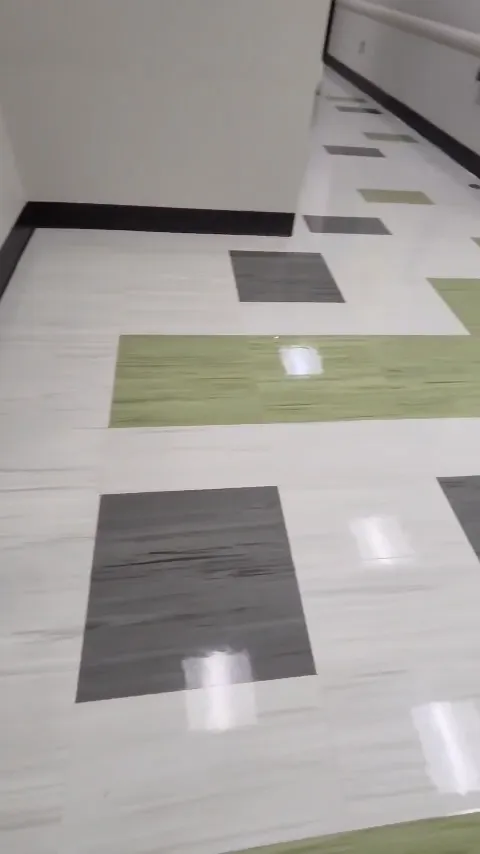
Durham has a style of its own. Old tobacco warehouses have become offices, restaurants and apartments, research buildings fill the area around the universities and Research Triangle Park, and new schools and medical buildings keep opening. That variety means floors range from polished concrete to VCT, tile and commercial carpet, sometimes all in one building.
This guide explains what wears down floors in Durham, how to care for the most common floor types and how to plan bigger floor projects without disrupting work.
Local conditions that wear floors down
Durham shares the Piedmont mix of clay and sand. The fine grit that comes in on shoes is the main cause of scratched, dull floor finish. Spring pollen adds a sticky film near entrances, summer humidity and storms bring water and mud inside, and winter ice days leave residue on lobby floors.
Good entrance matting, emptied and cleaned regularly, is the first line of defense for every building type in the city.
Renovated historic buildings
Many downtown spaces sit in renovated brick buildings with a mix of original and new floors. Newer sections often use VCT, luxury vinyl or sealed concrete, while break rooms and restrooms use tile. These mixed spaces need a plan that treats each floor type correctly, because the cleaner and method that work on one can harm another.
VCT gets the familiar routine of finish, burnishing and periodic strip and wax. Sealed concrete usually needs scrubbing and resealing rather than wax. Carpeted offices need vacuuming and periodic hot water extraction.
Labs, medical and clean environments
Research and medical buildings care about clean, sanitary floors. Hard floors in these spaces are usually cleaned daily with neutral cleaners and kept under a durable finish. Scrub and recoat on a set schedule keeps the surface sealed and easy to clean. Any floor work in these buildings is planned around access rules and operating hours, which often means overnight or weekend work.
Schools and campus buildings
School hallways and cafeterias take the heaviest traffic and usually have VCT. The full strip and wax is typically done during summer break, from mid June to late August for traditional calendar schools, with burnishing every week or two during the school year to keep the shine. Campus buildings often follow academic breaks for the bigger floor projects.
A maintenance plan that fits most buildings
Daily: dust mop or vacuum, spot clean spills and damp mop with a neutral cleaner. Weekly or every other week: burnish busy VCT. Every few months: scrub and recoat lobby and hallway floors, and extract carpet in traffic lanes. Once or twice a year: strip and wax floors where the finish is worn or yellowed.
Writing the plan down, with each area and its frequency, makes it easy to budget and keeps floors from slowly sliding into the expensive restorative stage.
Getting large jobs done on schedule
Large floor projects need enough equipment and people to strip, rinse, coat and burnish without leaving sections half done. Deep Cleaning High Quality brings its own floor machines, burnishers, auto scrubber and carpet extraction equipment. We are based in Charlotte, work 24 hours Monday through Friday and 8am to 5pm on weekends, and plan Durham jobs ahead.
Typical costs
The price of floor care depends on square footage, condition, number of finish coats, furniture moving and access hours. In the broader market, strip and wax is typically quoted per square foot, often in a range of a few tenths of a dollar per square foot, while burnishing and scrub and recoat cost less. A free estimate with no visit fee gives you the real number for your space.
How to compare floor care quotes
Floor care quotes can look very different for the same building, so compare the scope, not only the price. A good quote lists each area, the floor type, the work planned (strip and wax, scrub and recoat, burnish or extraction), the number of finish coats and the hours the crew will work.
Ask how the floor is rinsed and neutralized after stripping and how long each coat dries. Skipping either step saves time on the night of the job but costs you months of floor life. Also ask about protection for baseboards, walls and furniture. A company that answers these questions clearly is usually the one that does the job right.
Common questions
01Can you care for different floor types in the same building?
Yes. VCT, tile, sealed floors and carpet each get the method that fits them, so one visit can cover a mixed building.
02Do you work overnight in Durham?
Yes. We work 24 hours Monday through Friday, and overnight jobs are planned ahead for Durham buildings.
03Is wax the same as floor finish?
People use both words. Today most commercial floors use a polymer floor finish, applied in thin coats and then burnished, which is what most people call wax.